
Our History
164 Years of Faith & Beauty
1862 - The Beginning
Bernard Isaac Durward
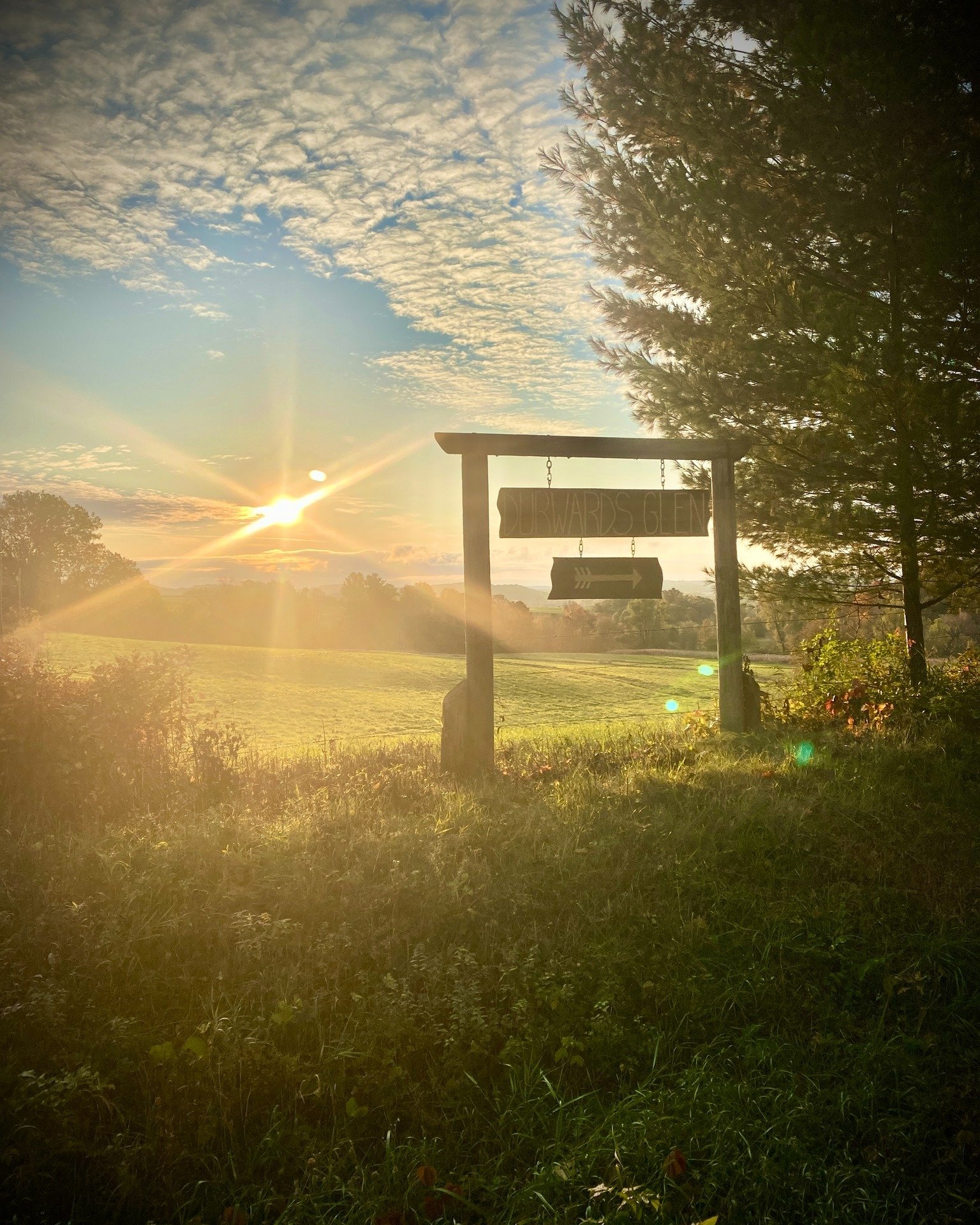
Bernard Isaac Durward, an artist who immigrated from Montrose, Scotland, purchased this enchanted 37-acre valley adjoining the Wisconsin River in 1862. A painter, naturalist, and man of deep faith, Durward settled the property with his wife—a seamstress who specialized in making church vestments and lace—and their six children.
Bernard was a accomplished portrait painter, known for his portraits of Solomon Juneau (1st Mayor of Milwaukee), Byron Kilbourn (3rd Mayor of Milwaukee), and Archbishop John Henni (who built St. Francis Seminary). It was after painting Archbishop Henni that Bernard converted to Catholicism in 1851, a conversion that profoundly shaped the spiritual character of the Glen.
He established the Glen as both an artistic retreat where he could paint the natural beauty around him, and as a place of Catholic devotion where family and visitors could deepen their faith. His vision was to create a sanctuary where art, nature, and spirituality could flourish together, a vision that continues to guide Durward's Glen today.
Late 1800s - Building the Glen
Charles Durward's Legacy
Bernard's son Charles continued his father's work, constructing many of the iconic structures that still stand today. The buildings showcase Gothic Revival and Italianate influences, constructed using locally quarried stone and timber. The Artist's Cottage showcases Charles's artistic sensibilities and his commitment to creating spaces of beauty.
The Hermitage, originally serving as an art gallery, was also constructed during this period. In 1887, the iconic Fountain Arch was built, becoming one of the Glen's most recognizable landmarks. These buildings, with their steep winding staircases and original period architecture, remain testament to the Durward family's dedication to preserving both art and faith.
1920 - The Chapel Fire
Loss and Restoration
In 1920, the chapel burned in a devastating fire. The Knights of Columbus stepped in to restore the chapel, ensuring that this sacred space would continue to serve the faithful.
1932-1980 - The Camillian Era
Order of St. Camillus
In 1932, the Durwards sold the property to the Roman Catholic Church, and the Order of St. Camillus (Diocese of Milwaukee) transformed it into a novitiate. For nearly fifty years, the Glen served as a formation house for men discerning religious life, training the next generation of Camillian priests and brothers.
During this period, many improvements were made to the property, including the construction of the main lodge and chapel facilities that serve retreat groups today. The Camillians established the Glen's reputation as a place of prayer, reflection, and spiritual formation.
On November 7, 1978, Durward's Glen was listed on the National Register of Historical Places, recognizing its architectural and historical significance.
We are actively collecting stories and memories from those who lived or studied at the Glen during this era. If you have memories to share, please visit our Submit Your Story page.
2007 - College of Saint Mary Magdalain
A New Steward
In 2007, the property was sold to the College of Saint Mary Magdalain, beginning a new chapter in the Glen's long history.
2011 - A New Chapter
Our Lady of the Rosary Group
In 2011, the property was sold to Our Lady of the Rosary Group, which established a 501(c)(3) nonprofit organization to preserve and protect Durward's Glen for future generations. The Board of Directors took on the sacred responsibility of maintaining this historic property while continuing its mission of spiritual hospitality.
Today, Durward's Glen offers 30 overnight rooms with 34 beds, accommodating a maximum of 44 visitors. The Glen welcomes visitors and pilgrims from across the country. Our trails and grounds are open to the public, our historic cottages offer peaceful accommodations, and our retreat facilities host groups seeking spiritual renewal.
Share Your Glen Story
Were you or your family members connected to Durward's Glen during any period of its history? We're actively collecting stories, photographs, and memories to preserve our rich heritage.
Submit Your Story